The Low-Down On Consent-Free Granny Flats In Hamilton
Selling, Buying, Property Investment
The Low-Down On Consent-Free Granny Flats In Hamilton
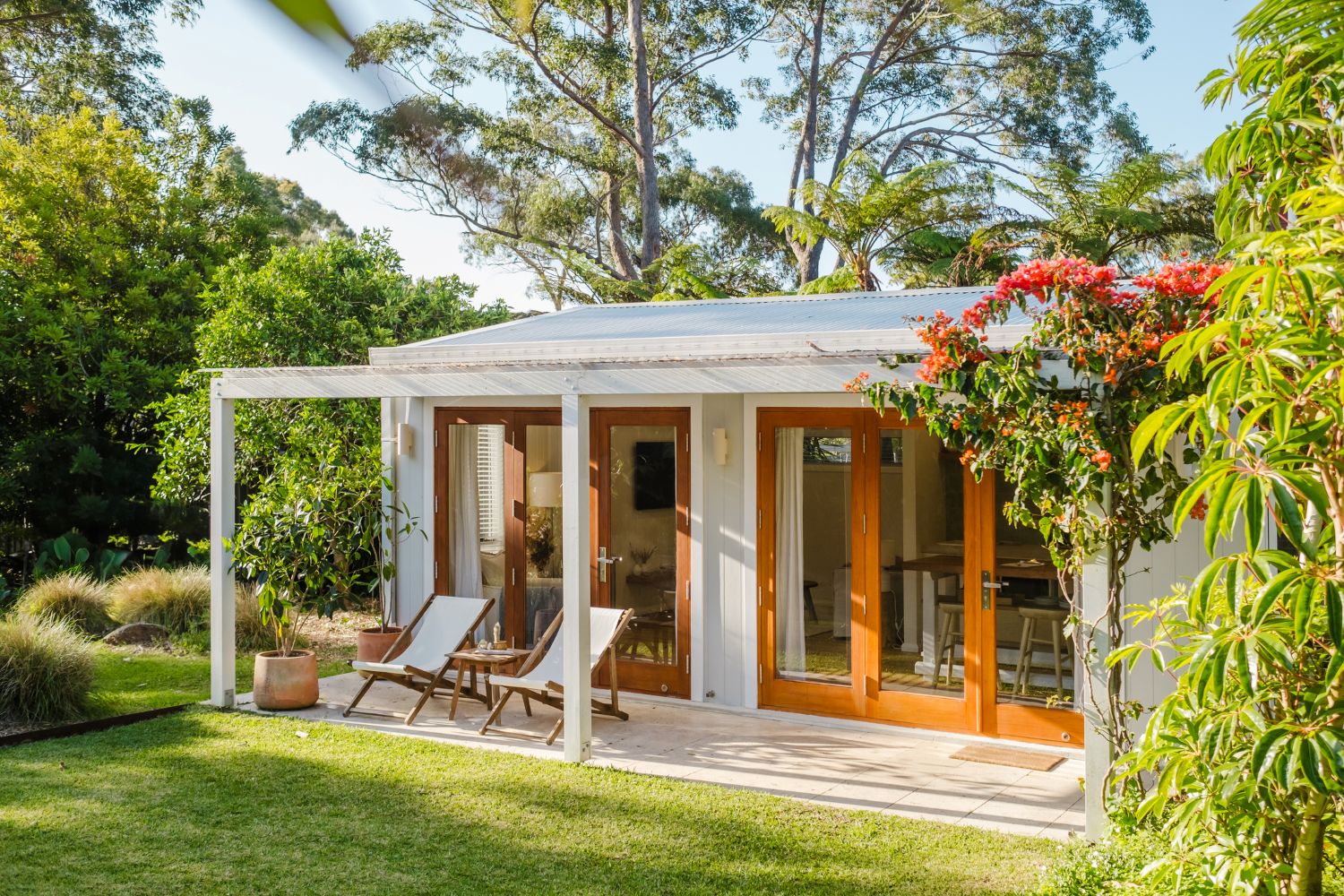
It's official, granny flats can now be built without consent, provided specific conditions are met. This means that for qualifying properties and designs, homeowners may be able to add a second dwelling to their property more easily.
For Hamilton, a city under sustained housing pressure, it does create major opportunities, particularly in established suburbs with larger sections. However, infrastructure restraints and smaller section sizes will temper the uptake in most newer parts of the city.
Where uptake is likely to be strongest
We expect to see the strongest uptake in older Hamilton suburbs where section sizes are more generous. Areas like Chartwell, Dinsdale, Glenview, Melville, Forest Lake, Nawton, and parts of Hillcrest stand out as natural candidates.
Most of these neighbourhoods were developed between the 1950s and 1970s and have substantial yards. We know many homeowners in these areas are cash constrained and will embrace the opportunity to utilise their land to create an income-stream It will also entice those who want to provide flexible living options for family members.
By contrast, the newer parts of Hamilton are predominantly smaller sections with private covenants that can significantly limit what can be built. In many of these areas, physical feasibility rather than planning rules will be the key constraint.
Infrastructure remains the sticking point
While the term ‘no consent’ has captured public attention, it’s not a free-for-all. Specifically, Hamiltonians need to remember:
- Consent exemptions apply to both resource and building consents, but only if strict conditions - such as maximum size, intended use, and site suitability - are satisfied.
- Connections to water, wastewater, and stormwater must be available and adequate.
- Setbacks, site coverage, and height controls still apply.
- Flood zones and private covenants may continue to restrict development.
It’s especially important to note that wastewater and stormwater networks are stretched in several parts of the city. This means not every site will be suitable, even if it meets the planning threshold. Before proceeding with plans for a granny flat, we suggest homeowners submit an enquiry to Council online or by phone.
Supporting intergenerational living
Intergenerational living has becoming increasingly popular in Hamilton over the last few decades, particularly with migrant communities where extended family households are very common. This rule change around granny flats aligns well with their needs, providing a practical and dignified alternative to overcrowding or financial strain. This will especially benefit the elderly who often can’t afford to live independently and/or need extra support.
What it all means for investors and homeowners
Hamilton’s rental demand remains strong, driven by population growth, education, and ongoing affordability pressures.
For investors, the granny flat change makes it easier to:
- Add a small rental dwelling to an existing property
- Increase yield without acquiring additional land
- Respond to demand for smaller, more affordable rental options
For owner occupiers, it opens the door to:
- Creating a supplementary income stream
- Funding retirement while staying in their home
- Increasing the long-term value and flexibility of their property
As always, feasibility will depend on site specifics, build costs, and financing, but the pathway is now more straightforward.
What will it do to neighbourhood character?
There is no question that this change will contribute to gradual intensification. However, it is unlikely to be fast or uncontrolled. Most homeowners will move cautiously, and construction costs remain a moderating factor. It’s important to remember that when done well, intensification creates vibrancy in our communities.
That said, the city has learned some important lessons from infill housing over the past decade. One of the most obvious is parking. Public transport has not kept pace with growth, and most Hamilton households still rely heavily on private vehicles. Ignoring this reality risks creating friction at a neighbourhood level. Good design, thoughtful site planning, and realistic expectations will be essential as more granny flats start to be built.
A practical shift, not a silver bullet
Scrapping consents for granny flats - where conditions are satisfied - won't transform the Hamilton property market any time soon, but it could be the ticket to added income, family flexibility, or a sharper investment edge. Our advice is simple; do your homework, sooner rather than later to avoid being caught out by local pitfalls.